Blog → Restaurant Food Safety: What Every Diner Should Kn...
Restaurant Food Safety: What Every Diner Should Know in 2026
From kitchen cleanliness to food handling practices, understanding restaurant food safety helps you dine with confidence and make informed choices.

Americans eat an average of 5.9 meals per week at restaurants or through takeout. With that frequency, understanding basic food safety is not paranoia — it is practical knowledge that helps you enjoy dining out with genuine confidence. The good news: the vast majority of restaurants take food safety seriously, and a few simple observations can help you identify the best ones.
How Restaurant Health Inspections Work
Every restaurant in the United States is subject to regular health inspections by local health departments. These inspections cover:
- Temperature control — cold foods must be kept below 41°F, hot foods above 135°F
- Cross-contamination prevention — raw meats must be stored separately from ready-to-eat foods
- Employee hygiene — handwashing procedures, glove use, and illness policies
- Cleaning and sanitization — proper cleaning of surfaces, equipment, and utensils
- Pest control — evidence of rodents, insects, or other pests
Most jurisdictions require restaurants to display their inspection scores publicly. Many cities also publish results online, making it easy to check before you visit.
Signs of a Well-Run Kitchen
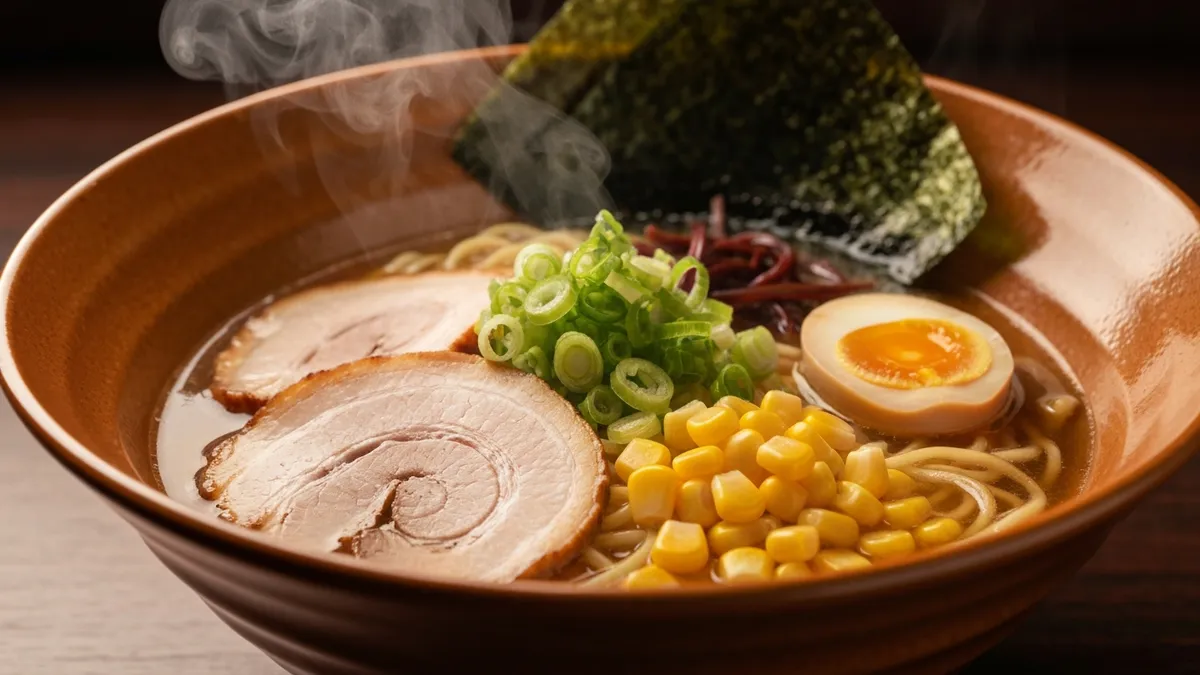
You do not need to inspect the kitchen yourself. Observable signals from the dining room tell you a lot about what is happening behind the scenes:
- Clean restrooms — if a restaurant maintains clean public areas, they likely maintain their kitchen similarly
- Staff wearing gloves and hairnets in open kitchen concepts
- Food arriving at the right temperature — hot food should be hot, cold food should be cold
- No lingering odors — a clean restaurant should smell like food, not like old grease or cleaning chemicals
- Organized workflow — restaurants where staff appear calm and systematic are usually well-managed at every level
Food Safety for Takeout and Delivery
Online ordering has introduced new food safety considerations. When ordering food for pickup or delivery:
- Check packaging — food should arrive in sealed, intact containers. Tamper-evident seals are increasingly common and a good sign
- Temperature matters — hot food should arrive steaming, cold food should feel cold. If something arrives lukewarm, it may have been sitting too long
- Time window — consume delivered food within 2 hours of preparation. If you cannot eat immediately, refrigerate and reheat to 165°F
- Order direct for faster service — orders placed directly through a restaurant's website go straight to the kitchen, reducing wait time between preparation and consumption
Common Food Safety Myths
Let us clear up some persistent misconceptions:
- Myth: Busy restaurants are always safer — while high turnover means fresher ingredients, busy kitchens under pressure can also cut corners. Consistency matters more than volume
- Myth: Buffets are dangerous — well-maintained buffets with proper temperature controls and frequent refreshing are safe. The risk comes from buffets where food sits too long without monitoring
- Myth: You can tell if food is safe by smell or taste — many harmful bacteria produce no detectable odor or flavor change. Proper handling and temperature control are the real safeguards
Frequently Asked Questions
How can I check a restaurant's health inspection score?
Most city and county health departments publish inspection results online. Search for '[your city] restaurant health inspection scores' to find the database. Many cities also require restaurants to display a letter grade or score card in their window or near the entrance. Apps like Yelp sometimes include inspection scores on restaurant profiles.
What should I do if I get food poisoning from a restaurant?
Seek medical attention if symptoms are severe (high fever, bloody stool, dehydration). Report the incident to your local health department — they investigate patterns and can prevent others from getting sick. Keep any leftover food and receipts as evidence. Most food poisoning resolves within 24-48 hours, but vulnerable populations (elderly, pregnant, immunocompromised) should seek medical advice promptly.
Is it safe to eat sushi and raw fish at restaurants?
Yes, when sourced and handled properly. Reputable sushi restaurants use 'sushi-grade' fish that has been flash-frozen to kill parasites (FDA requires freezing to -4°F for 7 days or -31°F for 15 hours). Look for restaurants that are busy (high turnover means fresh fish), have visible refrigeration, and employ trained sushi chefs. Avoid raw fish from restaurants where it is not a specialty.
Are food trucks held to the same safety standards as restaurants?
Yes. Food trucks are required to have health permits and undergo regular inspections, just like brick-and-mortar restaurants. They must meet the same temperature control, sanitation, and employee hygiene standards. Many food trucks are inspected at a licensed commercial kitchen (their commissary) in addition to on-site inspections during operation.